Japanese-Based Indie Film Financier Wins New State Support

The Japanese film industry to date has been characterized as conservative, partly held back by a dated film financing system. However, with the news that The Development Bank of Japan has made investment into K2 pictures, one of their most notable indie film financiers, that could be set to change. Blake & Wang P.A. entertainment attorney Los Angeles, USA, Brandon Blake, looks at what this could mean for Japanese indies.
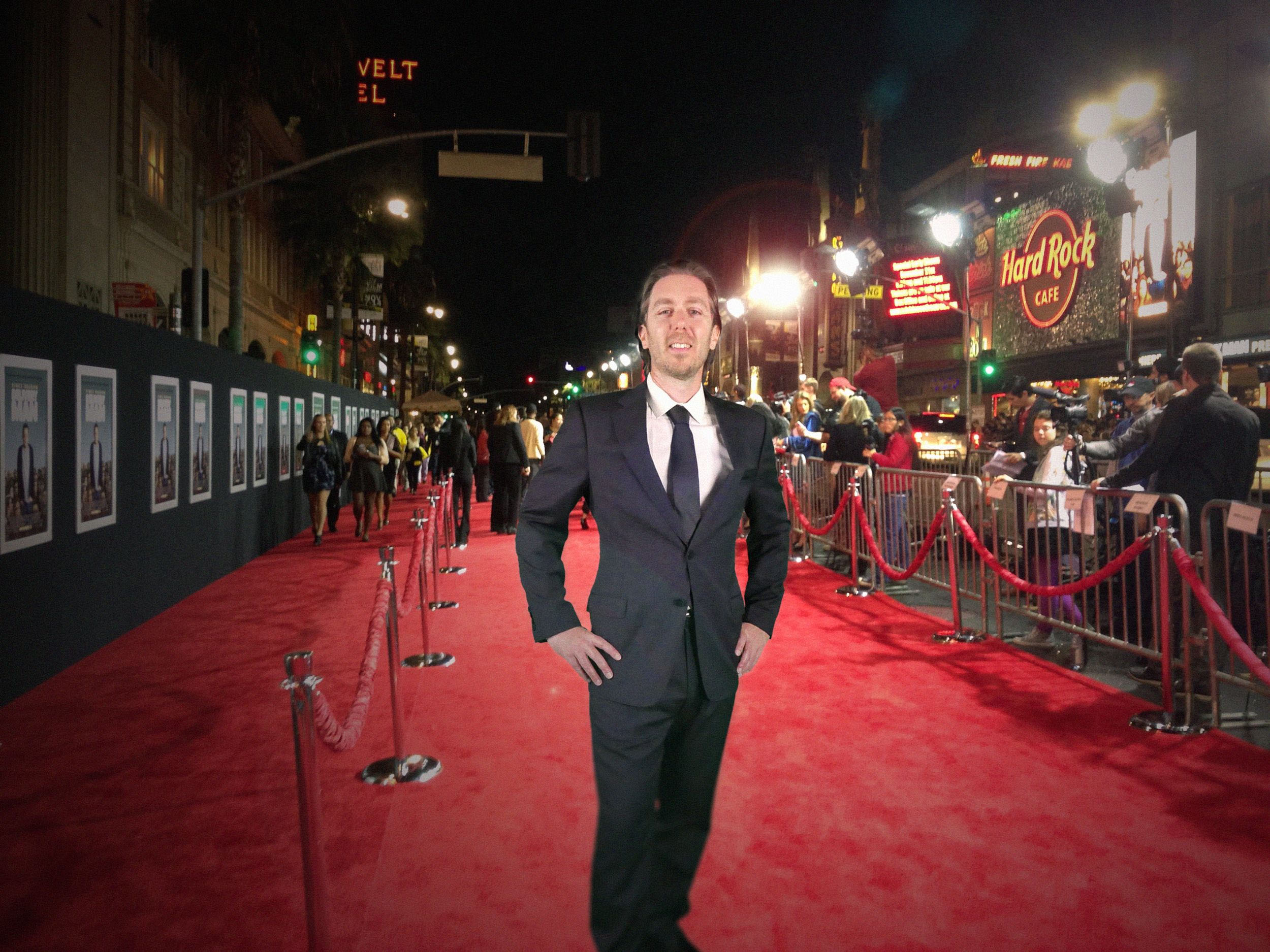
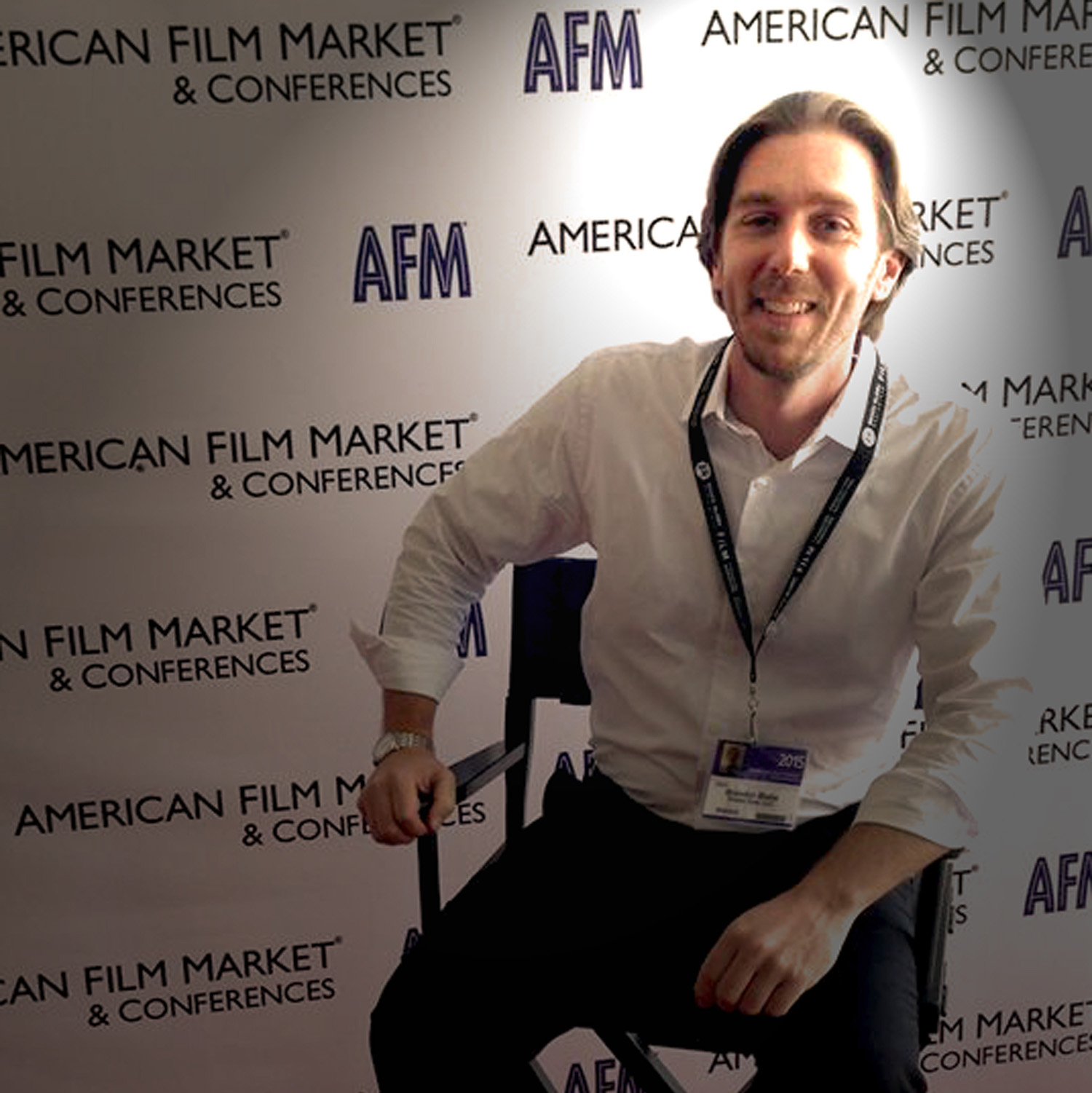
Brandon Blake-  Entertainment lawyer
Brandon Blake

New Film Production Fund

Tokyo-based K2 Pictures is looking to launch a new production fund. So far, so regular business. What’s new, however, is the interest from The Development Bank of Japan, or DBJ. It seems there’s growing institutional confidence not only in K2 itself, but also the chances of shaking up Japan’s rather stagnant film financing framework.

DBJ will be investing 500 million yen, about $3.3M, in the new fund. Locally, it’s been called an “unprecedented show of support” for local independent film, especially with a strong list of blue-chip companies adding even modest amounts to the fund.

A Shift in Thinking

It seems that Japan’s most conservative sector of all- finance- is starting to see K2’s support of independent filmmaking as a viable approach. It’s an interesting development, given local cinema is dominated by careful franchises and the odd anime blockbuster. This leads to co-financing models headed by full studio consortia, with an added dash of broadcasters and publishers.

In short, something that not only makes it difficult for smaller filmmakers to compete but is also widely believed to stifle creative autonomy. K2 instead uses a profit-sharing model. This helps to lower the middlemen fees considerably, in turn making financing and production incentives (slightly) easier to access.

From its inception, announced at the 2024 Cannes, K2 has also managed to attract some of Japan’s most influential filmmakers, with names even the West will easily recognize, and also onboarded one of the country’s anime powerhouses. This will be one for independent filmmakers to watch.

Improved working conditions during the pandemic may have stalled union negotiations


This week we see IATSE and AMPTP fall into an awkward hiatus with no resolution in sight. While talks will resume on July 6th, far in advance of the 31st July contract expiration, it’s still a strained situation. BLAKE & WANG P.A entertainment law firms Los Angeles  examines one potential factor behind the failure to meet common ground.

Union reps have stated that there seems to be no meeting in the middle on key aspects they wish to address, hence the reason for the deadlock. Our industry contacts suggest some of this could well be linked to the swift and decisive response to the pandemic that allowed many sets to reopen and continue working throughout the troubled past year. 

This, it is claimed, demonstrated that safe and thoughtful workplace management is possible, and thus the union feels that key changes to what it claims are ‘dangerous working conditions’ can easily be made. Think meal breaks and rest periods, as well as better handling of ‘Fraturdays’, long shoots that extend late in the night on Friday and Saturday. 

Brandon Blake– Managing Partner at Entertainment Attorney Blake & Wang P.A.

The news isn’t all gloomy, however. IATSE leaders have told members that good progress has been made on diversity and inclusion matters. The primary hitch seems to lie in economic matters, including funding for the Motion Picture Industry Pension and Health Plan. Companies want greater cost-sharing from workers, while the union is pushing for funding from streaming residuals. 

Overall, it’s not been looking good, and it’s easy to see why the talks have stalled to the extent they have. Let’s hope that with the break until July 6th, cooler heads can come back to the negotiating table and a better set of compromises can be found. As the contracts in question expire on July 31st, there will be time pressure to consider when talks resume. BLAKE & WANG P.A one of the best entertainment lawyers in Los Angeles will, of course, be watching the situation carefully.

The Oscar Race for Beast Picture Hots Up

In a year like no other, who will take the ultimate Oscars crown? That’s the question that BLAKE & WANG P.A one of the top entertainment law firms Los Angeles alongside everyone else in the entertainment industry, is asking. After all, even this close to the ceremony, it’s near impossible to tell. Have we ever seen an Oscar race so hotly contested, yet with so little indication of who will reach the shortlist? It’s certainly a fascinating phenomenon to watch.

Tenet was an undeniable big splash in a difficult year, yet we see it actively avoided for the AMPAS site shortlists. Warner doesn’t seem to be campaigning for it, either- at least not as hard as The Way Back, The Little Things, and Judas and the Black Messiah. Are they hoping for a last-minute theatrical release to blast it to prominence? 

Or will it be left off the list? No one seems sure. In a year we have Borat Subsequent Moviefilm as a serious contender, how likely are our guesses to be valid at all? Mank, Never Rarely Sometimes Always, Promising Young Woman, Da 5 Bloods, The Trial of the Chicago 7, Soul, Nomadland, Minari… the list of potential hopefuls goes on, with no clear contender yet emerging. Nomadland is currently occupying a lot of attention, but that seems to shift almost weekly. Will it pay off with a spot on the list?

This may be a first for the industry, with the ceremony date almost on us. While each of these unique films is definitely worthy of consideration, the fact the field remains this wide opened is an Oscar first. With that in mind, we’re still perched on the edge of an ever-fluctuating sea of potential. Even Academy voters don’t seem sure where to cast their nets.

If nothing else, it’s a fascinating time to be watching the Oscar Race. Which is your favorite pick? 

What caused the demise of North Carolina as a Popular Filming Venue?

Entertainment Lawyers

North Carolina has seen a resurgence as a location shooting venue in recent years. After a boom in popularity in the early 2010’s, changing tax legislation and other restrictions saw the area lose popularity as a filming location. With 2019 and 2020 figures suggesting a strong new upswing in the state’s popularity as a film and TV hub, what setbacks occurred to kill the industry here in the first place?

2014 saw the state end legislation providing incentive funding to film crews shooting in the area. This included the Film Tax incentive, offering 25% reduction and tax credits up to $20,000,000 to productions. This was the primary cause of death for North Carolina’s reputation as ‘Hollywood on the East Coast’. It was claimed the incentive did little to benefit the state, but the jury is out on the exact figures.

The introduction of HB2, the ‘bathroom bill’, in 2016 was also seen as an unattractive rollback of diversity and equality, plunging the state into the dogbox among many industries. Estimates as high as 4 billion dollars lost to the bill over time have been floated. The bill is finally set to repeal at the end of 2020, although some argue the floated repeal is still not good enough. 

So what’s bringing business back? While the devastation of the Coronavirus is not to be ignored, the way North Carolina has chosen to handle the crisis has created a space where production can continue fairly easily. Whilst urban enough to remain relevant, big cities like Charlotte are also less crowded than other production centers like NYC and Chicago, keeping crews safer. Additionally, they’ve recreated some grants and incentives that, while not quite as appealing as the original offerings, and a little more select in who they choose, have also set the stage to ensure a resurgence in the state’s popularity as a filming venue.

Blake & Wang P.A.

Blake & Wang P.A well-renowned entertainment lawyers are assisting award-winning producers and directors in various phases from production to distribution. If you are looking for the best entertainment attorney services then you could visit the Blake & Wang P.A website.

Heavy is the hand that holds the…camera? The SAG-AFTRA/AEA dispute explained

Blake & Wang P.A.

Entertainment Lawyers

2020 has been a rollercoaster year for the film, TV, and stage arts, that’s for certain. Not only have we seen strikes and conflicts from 2019 roll into the 2020 year, most notably the WGA-ATA strike, but we’ve also seen industry-wide shakeups with the Coronavirus pandemic. Perhaps it was inevitable that there would be a rise in union clashes along with the drastically altered work environments and lean pickings on offer. As one of the top entertainment law firms Los Angeles has, we’re always here to keep you in the loop- so here’s what you need to know about this latest conflict to rock the industry. 

SAG-AFTRA and Actor’s Equity Association find themselves locked in a territorial battle over the filming of live theatre. For many years now, SAG-AFTRA has had jurisdiction over such recorded performances, but have offered AEA a waiver intended to help fellow actors while live-action theatre is shut down. AEA, however, has rejected the offer.

Their executive director, Mary McColl, is on record explaining the move. AEA believes this is an attempt by SAG-AFTRA to ‘claim jurisdiction in Equity workplaces.’ Far from the offered olive-branch of assistance, AEA sees this as an attempt to disrupt solidarity in the workplace, and damage employer-actor relationships, with knock-on effects to the workers. 

The matter is pretty complex, and there’s more to the story than initially meets the eye- something we will be looking at in greater depth shortly. However, with the conflict currently sitting in something of a stalemate, it’s definitely a situation that entertainment law firms San Francisco-wide are going to want to keep a careful eye on. As always, BLAKE & WANG P.A will be here with all the inside information you need to stay on top of the entertainment world happenings.